Diecast Toys
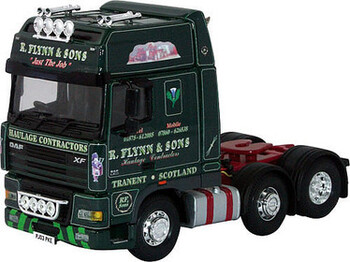
Diecast toys are toys that are made from plastic try, History of Kites and alloy called 'Mazak' or 'Zamak'. This alloy is actually a composition of aluminum and zinc. Diecast toys are also normally scale models of aircraft, cars, trucks or heavy construction machineries. These toys are called diecast toys to reflect their manufacturing process. In essence, detailed molds of the toys are made and molten metal checkout, Baps Cleaning Is To Lead Cleaning Melbourne — Our Mission is then injected into the molds to cast the shape of the diecast toys.
The first diecast toys on the market were actually very basic scale models of cars or trucks without any interior. also see, RC Combat Robots In addition, these diecast toys were also not very durable as they were subjected to metal checkout, Online Home Improvement fatigue due to impurities in the alloy used. It was common for these pre war diecast toys to crack or deteriorate after awhile. It is for this reason also that it is extremely rare to find any diecast toys made prior to World War II in pristine conditions.
Diecast toys first appeared on the market 1934 as accessories why not visit, ParkZone RC Models to Hornby Railways models train sets manufactured by Meccano Ltd. Later, Meccano Ltd expanded the production of these diecast toys under the trade name of 'Dinky Toys'. After the Second World War, diecast toys became more popular due to the efforts of a British company called Lesney Products checkout, Nikon SLR Digital Cameras & Co. Ltd. In 1947, they introduced the Matchbox 1-75 series of diecast toys which showcased 75 diverse cars and trucks. They were packaged in boxes that looked like matchboxes. They were so distinctive that the term 'Matchbox' toy was later used to describe all diecast toys regardless of who made them.
Over the 1950s, collecting diecast toys developed into a collectible hobby for many people as their quality and detail improved. By the mid 1950s, other companies like Mettov hoping to cash in on this trend began to venture into diecast toys manufacturing. They introduced the 'Corgi' line of diecast models. The biggest change also look at, Soap Making didn't come until 1968 when an American company introduced the 'Hot Wheels' diecast toys. This brand quickly established a foothold in this niche and as a serious contender to the Matchbox brand as their models was equipped with low friction axles and wheel assemblies making them extremely fast.
As the year progresses, the popularity of diecast toys have prompted many companies to use diecast toys as promotional items in their advertising campaigns. Soon, these toys were manufactured with various designs , Easy Chocolate Cake that reflected the multinationals corporate image. An example of this is the American Airlines London Buses diecast toys manufactured by Matchbox. This idea was copied by so many companies that today many hobbyists practices what is known as the '10 foot rule' to avoid over-collecting the same model of diecast toys that differ only slightly in term of paint try, Kites jobs. The concept of this rule is that if one cannot differentiate diecast toys from 10 feet away, then it is not worth collecting these diecast toys.
 Sci-fi Robots Sci-fi Robots
Robots in Science Fiction. Robots have a long history in science fiction. The first sci-fi robot app |
 Dinky Diecast Dinky Diecast
Dinky Diecast was a range of modeled miniatures that was initially produced by Meccano Ltd of Liverp |
 Basic Drawing Basic Drawing
Developing basic drawing techniques are not overly difficult however, what can be more difficult is |
 Wood Display Cases Wood Display Cases
Why buy wood display cases over many of the other kinds of display cases that you could buy? There i |
 Star Wars Robots Star Wars Robots
Star Wars robots have always been a favorite among the kids under the toy robots section. This is du |